
Category: Creative Entrepreneurs, Artists, and Service-Based Sellers
A category for the makers, artists, freelancers, consultants, musicians, service providers, and creative business owners building something real from their work. These articles explore visibility, pricing, offers, client communication, creative discipline, and the business side of being talented.
-

How to Explain Value When You Are Not the Cheapest Option
Small brands do not have to be the cheapest to gain customer trust. Clear communication about value, quality, and differentiation is crucial for justifying higher prices. Customers need to understand why prices are higher, see proof of value, and feel confident in their buying experience, making clarity essential in pricing strategies.
-
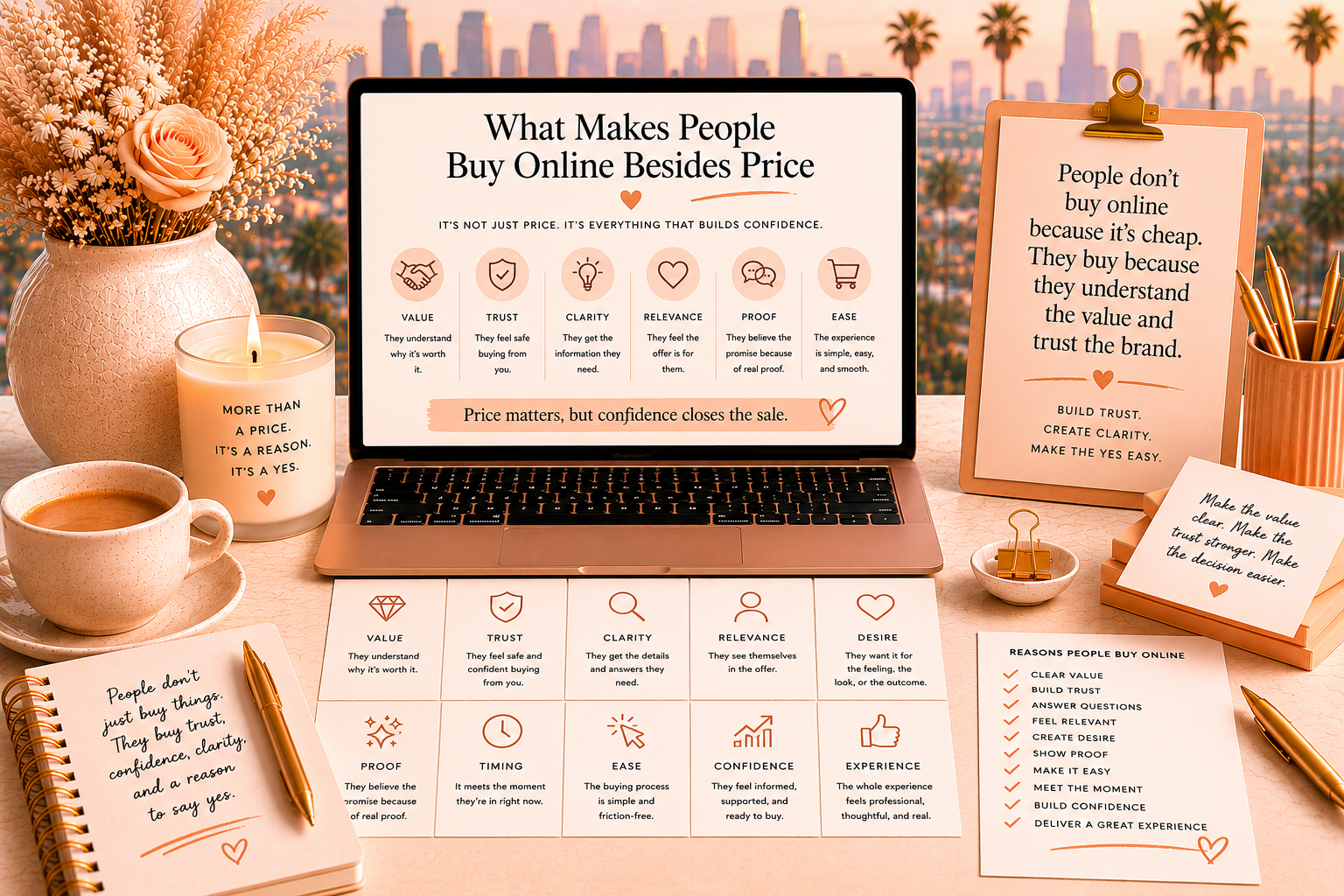
What Makes People Buy Online Besides Price
Online consumers are influenced by several factors beyond price, including trust, clarity, timing, and perceived value. Brands need to effectively communicate these elements to enhance customer confidence and reduce hesitation. Small brands should improve their buying experience rather than solely lowering prices to attract customers and strengthen perception.
-

Why New Sellers Struggle When the Offer Is Too Broad
New sellers often believe a broad offer is safer, but it can lead to confusion and difficulty in understanding value. Specific offers help customers see relevance, increasing trust and clarity. A focused approach enhances marketing, simplifies decision-making, and ultimately builds a recognizable brand while avoiding overwhelm. Clear offers lead to better sales outcomes.
-

A Better Product Description Will Usually Beat a Better Caption
Social captions can create attention, but strong product descriptions create buying confidence. Learn why small brands need clear product pages that answer real customer questions. A good caption can get attention. It can make someone pause while scrolling. It can introduce a product, create a mood, tell a short story, or remind people that the…
-

What Makes a Brand More Quote-Worthy, Share-Worthy, and Feature-Worthy
Small brands enhance their visibility when they present a clear perspective, valuable insights, engaging visuals, and relevant stories. Understanding their audience is crucial; clarity and specificity make them easier to quote and share. Authentic narratives, useful content, and a consistent message significantly increase their feature-worthiness, fostering trust and recognition.
-

How Reviews, Features, Testimonials, and Media Mentions Work Together
Small brands can enhance their credibility by combining reviews, testimonials, features, and media mentions, each addressing different trust questions. This multi-faceted approach builds a pattern of trust, reassuring customers through various signals. By actively showcasing and organizing these proof points, brands can cultivate a supportive credibility ecosystem, driving customer confidence and engagement.
-

Why Founder Stories Work Best When They Explain the Business, Not Just the Person
Founder stories can enhance trust by connecting a founder’s personal journey to their business’s purpose and values. Effective stories explain the brand’s existence, address customer needs, and highlight the founder’s relevant experiences. The narrative should focus on business clarity, standards, and customer connection while avoiding self-absorption or irrelevant details.
-

How to Pitch Your Brand Story Without Sounding Like Spam
Small brands can effectively pitch their stories by focusing on relevance, clarity, and audience value while avoiding generic language. A strong pitch highlights why the story matters now, demonstrates fit with the recipient’s audience, and offers valuable insights or opportunities. Clarity and specificity enhance credibility without overselling the brand.
-

What Counts as Press, Social Proof, and Reputation in the Early Stages
Early-stage brands can build credibility without relying on major press. Small signals like thoughtful reviews, local features, and customer feedback contribute to social proof and reputation. These elements may seem minor but collectively foster trust. Honest presentation of these signals is crucial for developing a brand’s identity and recognition over time.
-

How Small Online Brands Can Start Building Credibility Before They Are “Ready”
Small online brands can build credibility even while still developing. They should focus on clear communication, customer feedback, and showcasing their processes. Credibility does not require perfection; instead, it’s built through consistent trust signals and engagement. Starting early and using existing proof allows brands to establish trust as they grow.
-

PR Is Not Just for Big Brands: It Is for Any Business That Needs Trust
Public relations (PR) is essential for small brands seeking trust and credibility, not just visibility. It involves gaining outside validation through local features, customer testimonials, and industry collaborations. By focusing on reputation-building opportunities early, small businesses can effectively create trust signals, making customers feel more confident in their purchasing decisions.
-

The Hidden Cost of Making Customers Chase You for Updates
Clear and proactive communication is essential for small brands to maintain customer trust. When customers have to chase for updates, they feel uncertain and disorganized, which can weaken their confidence in the brand. Timely, transparent updates can enhance the customer experience, reduce support stress, and strengthen relationships, fostering a sense of emotional safety.