
Category: Creative Entrepreneurs, Artists, and Service-Based Sellers
A category for the makers, artists, freelancers, consultants, musicians, service providers, and creative business owners building something real from their work. These articles explore visibility, pricing, offers, client communication, creative discipline, and the business side of being talented.
-

How to Set Customer Expectations Before They Become Customer Service Problems
Clear expectations are essential for small brands to reduce customer complaints and build trust. Many issues arise from unclear product details, ambiguous policies, and vague timelines. By communicating clearly before a purchase and providing information on what to expect after, businesses can enhance customer experience, minimize confusion, and improve overall satisfaction.
-

No small business owner loves receiving a complaint.
Customer complaints can either damage or strengthen a small brand’s trust with clients, depending on the response. Acknowledging the issue calmly and clearly, while avoiding defensiveness, is essential. Providing clear next steps and understanding policies without being rigid can help build rapport, turning a complaint into a learning opportunity for the business.
-

Your Order Confirmation Email Should Do More Than Say Thank You
A strong order confirmation email is crucial for small brands, providing reassurance and clarity after a purchase. It should address common post-purchase questions, outline next steps, and establish trust. By being clear, warm, and organized, these emails enhance the customer experience, reduce support inquiries, and reinforce brand integrity.
-

Your Contact Page Is a Trust Page, Not a Formality
A small business contact page should go beyond merely listing an email address; it needs to reassure customers about accessibility, response times, and support channels. Clear guidance on inquiries, a welcoming tone, and links to FAQs can foster trust. This approach not only aids customer confidence but also streamlines interactions for business owners.
-

How to Build an FAQ Page That Actually Builds Trust
A strong FAQ page enhances customer trust by addressing key concerns, reducing hesitation, and presenting a professional image for small brands. It should be organized, updated regularly, and crafted from real customer questions. Clear, direct responses in plain language foster confidence, guiding customers through their buying decisions effectively.
-
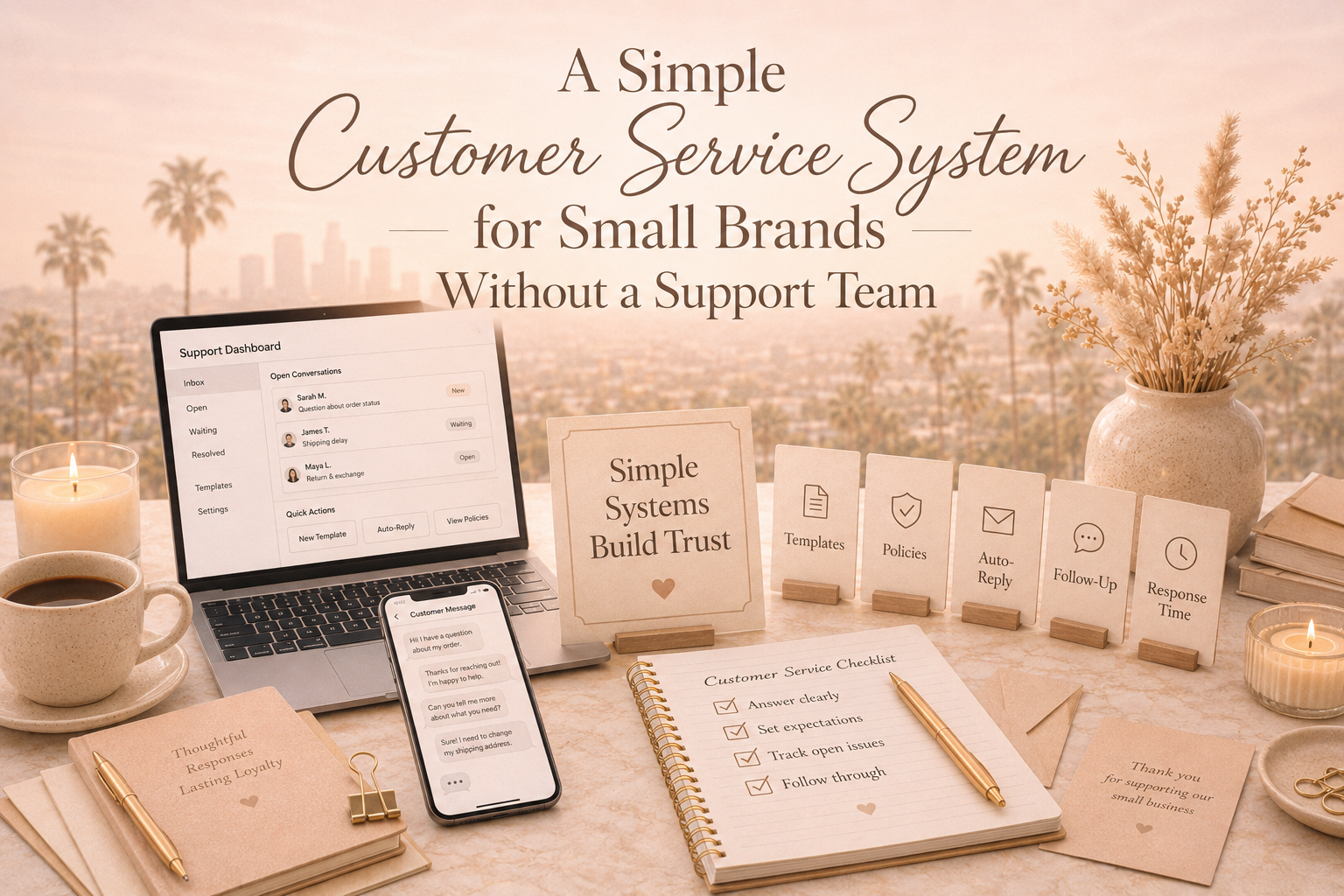
A Simple Customer Service System for Small Brands Without a Support Team
Small brands can enhance customer experience without a large support team by implementing a simple customer service system. This approach fosters clear communication, consistent responses, and organized policies, allowing business owners to manage inquiries effectively while maintaining a personal touch. Such systems build trust and support business growth.
-
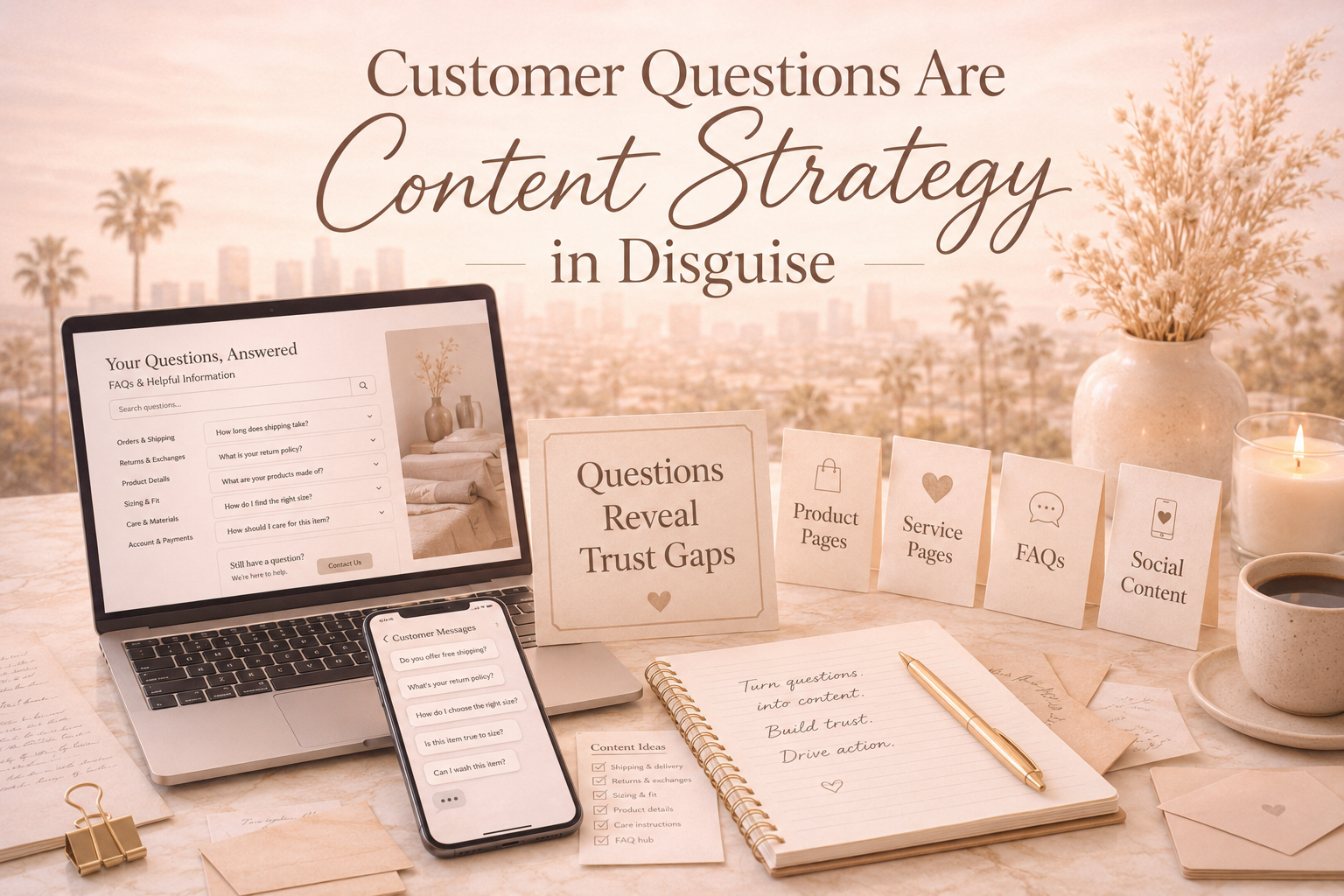
Customer Questions Are Content Strategy in Disguise
Customer questions highlight essential information gaps for small businesses. By addressing common queries, brands can improve product and service pages, FAQs, and communication. These inquiries reveal customer values and hesitations, guiding businesses to create more effective content that builds trust and enhances the buying experience, ultimately reducing repetitive support work.
-

The Small Business Advantage: Better Communication Than Big Brands
Small businesses can leverage effective communication as a competitive edge against larger brands, which often rely on automated systems and impersonal interactions. By providing clear, personalized, and prompt responses, small businesses can foster trust, enhance customer experiences, and build loyalty, ultimately making them feel more premium and reliable in a crowded marketplace.
-
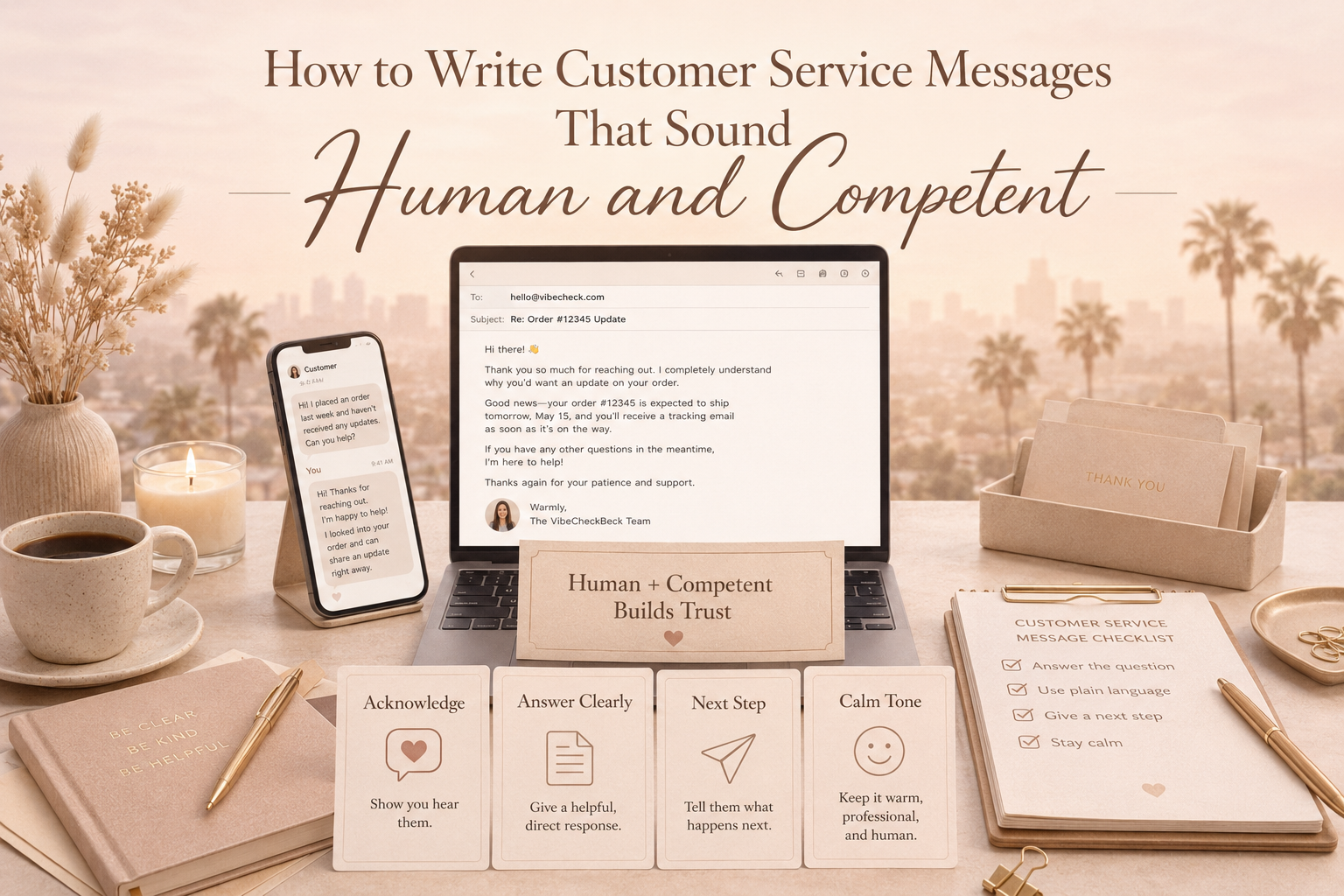
How to Write Customer Service Messages That Sound Human and Competent
Effective customer service messages for small brands should be clear, calm, and human. They must build trust by acknowledging customer concerns, providing direct answers, and outlining next steps. Balancing warmth with competence while avoiding robotic language fosters a personal connection, ensuring customers feel valued and informed throughout their experience.
-

What Customers Really Want When Something Goes Wrong
Customers want clarity and accountability when problems arise with businesses. They seek to be heard, receive clear communication, and understand the next steps. Effective handling of issues builds trust, especially for small brands. Calm, human interaction transforms mistakes into loyalty-building experiences through reassurance and consistent follow-through.
-

How Refunds, Shipping Policies, and Response Time Shape Brand Trust
Trust in small businesses is shaped not only by branding but also by clear operational policies like refunds, shipping, and response times. These details reassure customers and make their purchasing experience feel safe. When policies are transparent and accessible, they enhance confidence, guiding customers while reducing anxiety and fostering loyalty.
-

The Easiest Way to Look More Professional Online: Answer Questions Clearly
Clear communication is vital for small businesses to appear professional online. By providing direct answers to common customer questions, they can reduce buyer hesitation, build trust, and enhance confidence in purchases. Clarity not only improves customer experience but also streamlines operations, strengthening the brand’s overall perception and fostering customer loyalty.